






How to Set Up Instagram Keywords So They Actually Fire
A keyword like "GUIDE" or "PRICE" looks simple, but whether it actually works comes down to matching. Set it too tight and real buyers slip through; set it too loose and it fires on every passing comment. This guide is about the matching mechanics: how to configure Instagram DM automation keywords so they trigger at the right moment and stay quiet the rest of the time, using BooSend as the example.
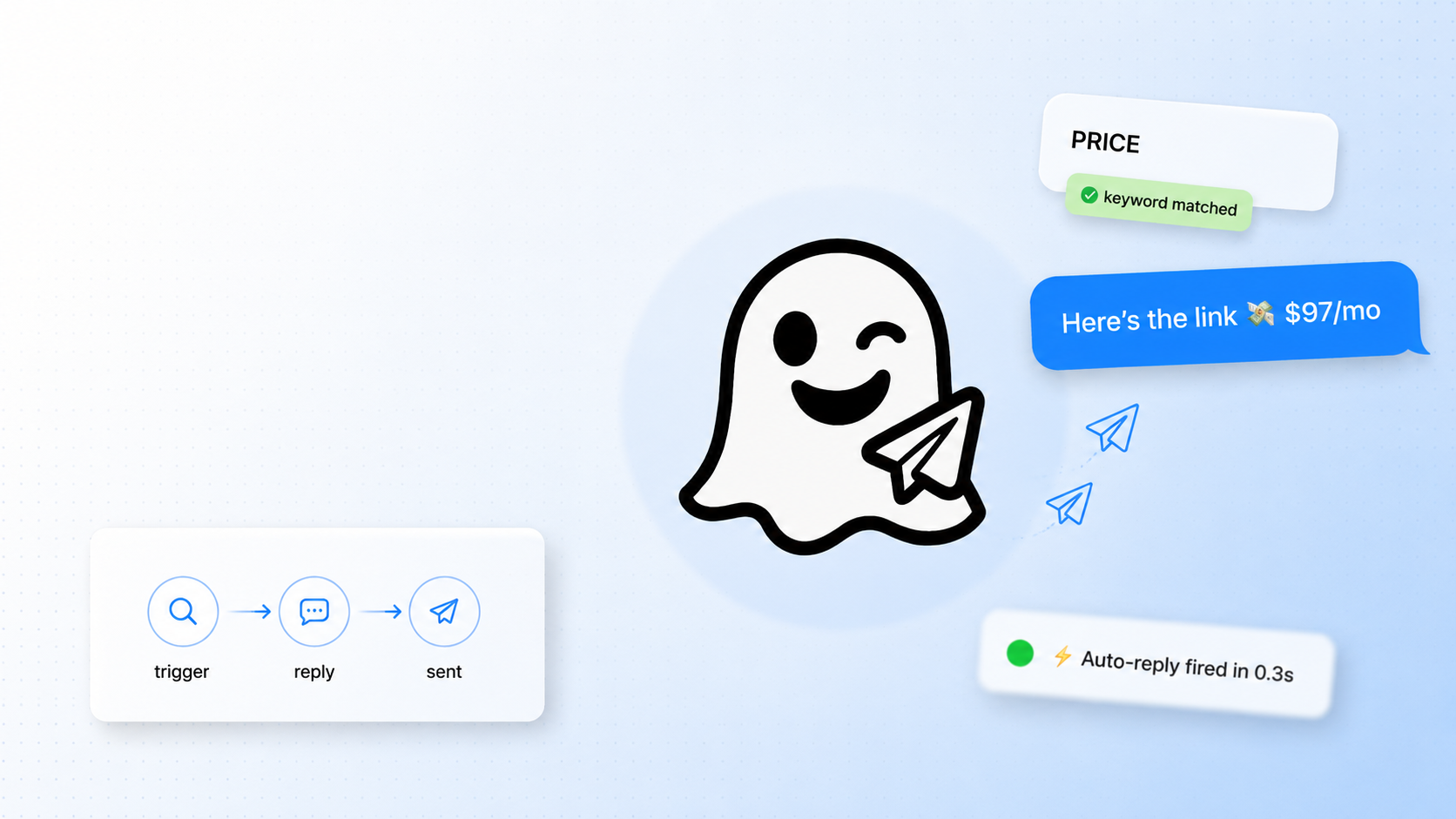
A keyword is an entry point, not magic
A keyword is the entry point to an automated conversation. The user starts it: they comment the word on a post or Reel, reply to a Story with it, or send it in a DM. The trigger then opens the flow connected to that word. Nothing fires on its own; the person always initiates. Getting the match rule right is what decides whether that entry point is reliable.
Exact match: tight control
An exact-match rule fires only when the message is the keyword and nothing else. "Message is GLOW" triggers on "glow" but not on "do you have a glow serum?". Use exact match when the keyword is a deliberate campaign word you asked people to send, like a Story CTA that says send GLOW for the discount. It keeps the flow from firing on casual mentions.
Contains match: a wider net
A contains rule fires whenever the keyword appears anywhere in a longer message. "Message contains discount" triggers on "do you have a discount?" and "any discount codes?". Use contains when you want to catch natural phrasing around a common word. The tradeoff is that a broad word can fire on messages you did not intend, which is where exclude words come in.
AI intent matching: when wording varies
Real people do not type the keyword you planned. They ask "how much is it?" instead of "PRICE". An AI agent reads intent rather than a literal string, so it can route a pricing question to your pricing flow even when the word price never appears. Intent matching is the most forgiving option and the closest to how a human reads a message. Use it for open-ended inbound where you cannot predict the exact words.
Exclude keywords stop the wrong fires
Exclude words are the safety valve on a contains rule. If "deal" triggers a promo flow but you do not want it firing on "no deal" or "big deal", add those as excludes. Spend a few minutes listing the phrases that contain your keyword but mean something else. This is the single fastest way to cut false fires without narrowing your real reach.
Plan for misspellings and variations
Typos are constant on mobile. If your keyword is "webinar", add "webnar" and "webiner" as variations so a fat-fingered entry still triggers the flow. If your audience is multilingual, add the translated keyword too. Each variation you add is a lead you would otherwise have dropped at the door.
One keyword per entry point
If you run the same campaign across a Story, a Reel, and a DM, give each surface its own keyword: "story", "reel", "dm". The flow can be identical, but the distinct words tell you which surface produced the lead. Over a few campaigns you learn which entry point your audience actually responds to, which sharpens both your automation and your content.
The default reply catches everything else
Not every message matches a keyword, but every message deserves a response. A default reply is the catch-all for anything that does not hit a rule. It can acknowledge the message, set expectations, and nudge the person toward a keyword like "help" or a human handoff. It is what keeps an unmatched "do you ship to Canada?" from sitting unanswered overnight.
Route high-intent words to a human
Some words signal a person who wants a person. Set a keyword like "human", "agent", or "talk to someone" that routes the conversation to your team through the BooSend CRM. This matters most for high-ticket offers and buyers who are ready but need reassurance. The automation does the sorting; your team gets only the threads worth their time, with full context attached.
Make the first reply feel human
A match is only the start. The first message should confirm the user took the right action and point to the next step. "Got it, here is the guide. Where should I send the bonus checklist?" reads far better than "automation triggered". The matching gets the right person into the flow; the first reply decides whether they stay in it.
Test entry rate and drop-off
Once a keyword is live, watch two numbers. Entry rate tells you whether people are triggering the flow at all; if it is near zero, your call to action or your match rule is the problem. Drop-off tells you where people stop inside the flow; if they enter but never click, the offer or the message needs work. Small wording changes to the keyword and the CTA often move both.
Get started
Pick one campaign, choose exact or contains deliberately, add a couple of excludes and misspellings, and set a default reply before you go live. Pricing is at the BooSend pricing page and the deeper setup guides are at the BooSend blog.
FAQ
Should I use exact or contains match?
Exact for deliberate campaign words you asked people to send, contains for catching natural phrasing around a common word. If you cannot predict the wording at all, let an AI agent match on intent instead.
How do I stop a keyword firing on the wrong message?
Add exclude words for the phrases that contain your keyword but mean something else, or switch from a contains rule to exact match. Excludes are the quickest fix without narrowing your real reach.
Do keywords work on comments and Stories too?
Yes. The user can comment the keyword on a post or Reel, reply to a Story with it, or send it in a DM. The conversation is always started by the person; the keyword opens the flow connected to it.
What happens to messages that match no keyword?
The default reply handles them. It acknowledges the message and points the person toward a keyword or a human, so nothing sits unanswered while you are offline.